By Hairbar Lab · Brand editorial
Chinese herbal hair care inspires Hairbar Lab's attention to plants, texture and everyday ritual. We bring that feeling into a simple wash-day routine: water, a bar in your hands and a moment to slow down. Enjoy the story alongside clear product information; ingredients, directions and evidence are what answer questions about a particular shampoo.
Find the ritual in familiar things
A root's branching shape. The grain of a wooden surface. Water gathering in a basin. These are the details that draw us to botanical hair-care rituals. They invite a closer look at familiar materials and a little more attention to something we do often.
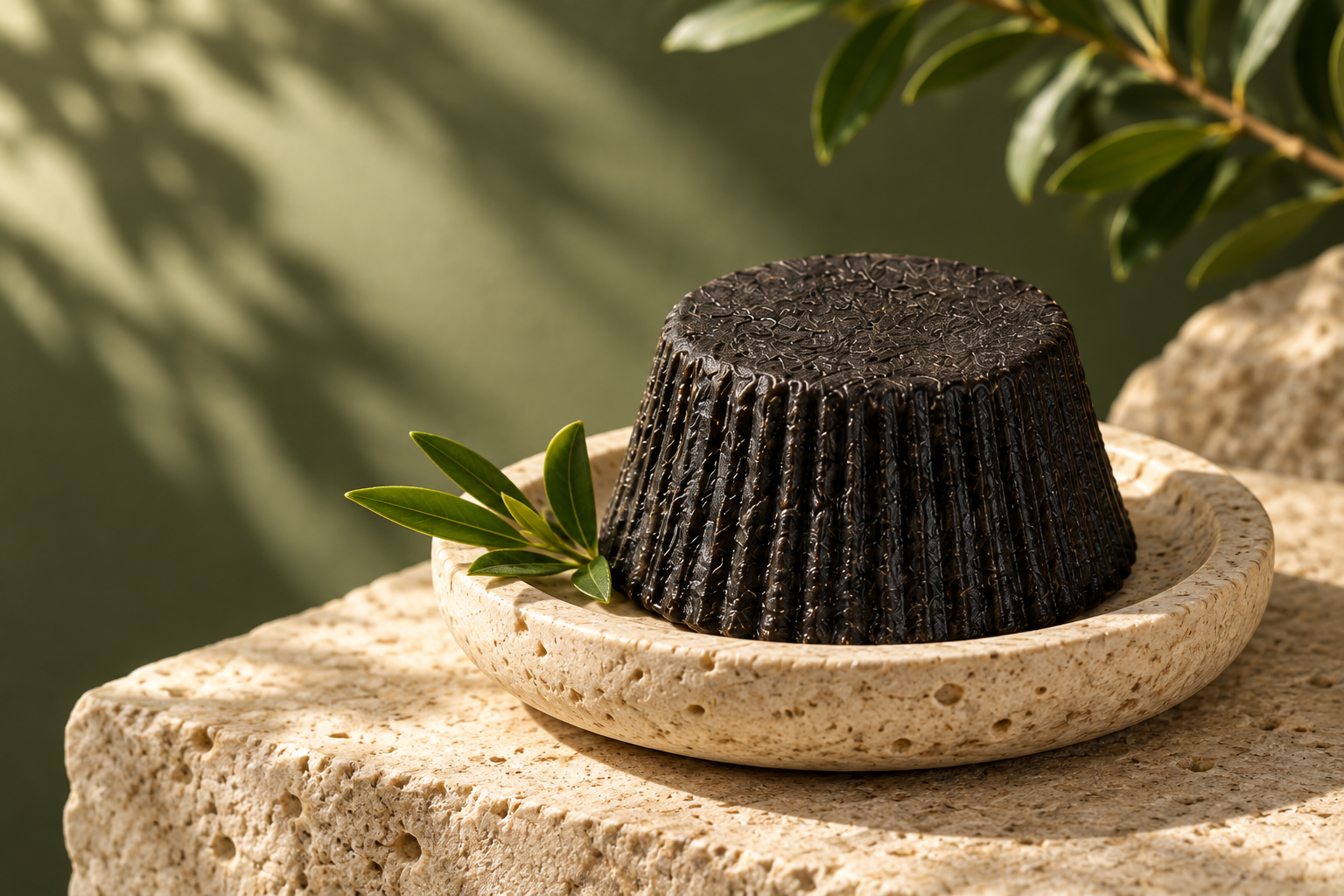
At Hairbar Lab, we translate that feeling into a modern visual language: a dark, textured bar, warm colours and room to breathe. The ritual can be small. Set out what you need, finish your wash at a comfortable pace and leave your space ready for the next time.
Selected botanicals
Meet four botanical names in our herbal story: He Shou Wu (fo-ti), Ce Bai Ye (Chinese arborvitae leaf), Wu Huan Zi (soapberry) and Ren Shen (ginseng). These are the selected names we introduce through our Chinese herbal inspiration. [3]
This feature focuses on selected botanicals and their place in our brand story. It does not disclose the recipe's precise proportions or preparation process, and it is not a complete ingredient declaration.
Let curiosity lead you to the details
A botanical story invites a closer look: the names of the plants, their forms and the role they play in a brand's creative direction. Our Selected Botanicals feature explores that inspiration through four named plants, bringing a little context to the ritual.
Look to the ingredient declaration for what a shampoo contains. A styled photograph may use roots, leaves or other materials to create a mood; the label is the place to establish ingredient identity. Reading both the story and the details lets you enjoy the design while making an informed choice.
Appreciate tradition and ask for evidence
Tradition can give a routine cultural meaning. A claim about a finished product's effects asks a different question and needs evidence suited to that product. The U.S. National Center for Complementary and Integrative Health describes mixed research results for Chinese herbal products studied for various medical conditions. That broad overview does not establish a shampoo's performance. [1]
When comparing products, read the exact claim and ask how it was supported. A connection to herbal tradition can be part of a brand's appeal while its ingredients, directions and specific claims remain open to careful evaluation.
Make the moment your own
Your version of a ritual might be a quiet morning wash or a familiar sequence at the end of a busy day. Begin with the product's directions, give each step your attention and choose a routine that fits your life. The value is in making an ordinary moment feel considered.
Bring that same attention to ingredient choices. FDA guidance explains that natural origin alone does not establish safety and that plants can contain allergenic substances. [2] Botanical inspiration and careful reading belong comfortably together.
Frequently asked questions
Does traditional use prove that a shampoo works?
No. A traditional association does not establish the performance of a particular finished shampoo. Any specific result needs appropriate evidence for that claim and product.
Are all plants pictured on the website ingredients?
Photography may include styling materials. Our Selected Botanicals feature introduces four named highlights; consult product labelling for ingredient and care information. These highlights are not a complete ingredient declaration.
Sources
- National Center for Complementary and Integrative Health — Traditional Chinese Medicine: What You Need To Know
- U.S. Food and Drug Administration — Organic Cosmetics
- Hairbar Lab — Selected Botanicals: four names featured in our herbal story.
External sources provide general educational information. They do not endorse Hairbar Lab or establish results for this product.
Keep exploring
- How to read a shampoo ingredient label without the buzzwords
- Shampoo bar vs liquid shampoo: compare the formula and the routine
- How to use a shampoo bar: a simple wash-day guide
Explore The Original Shampoo Bar
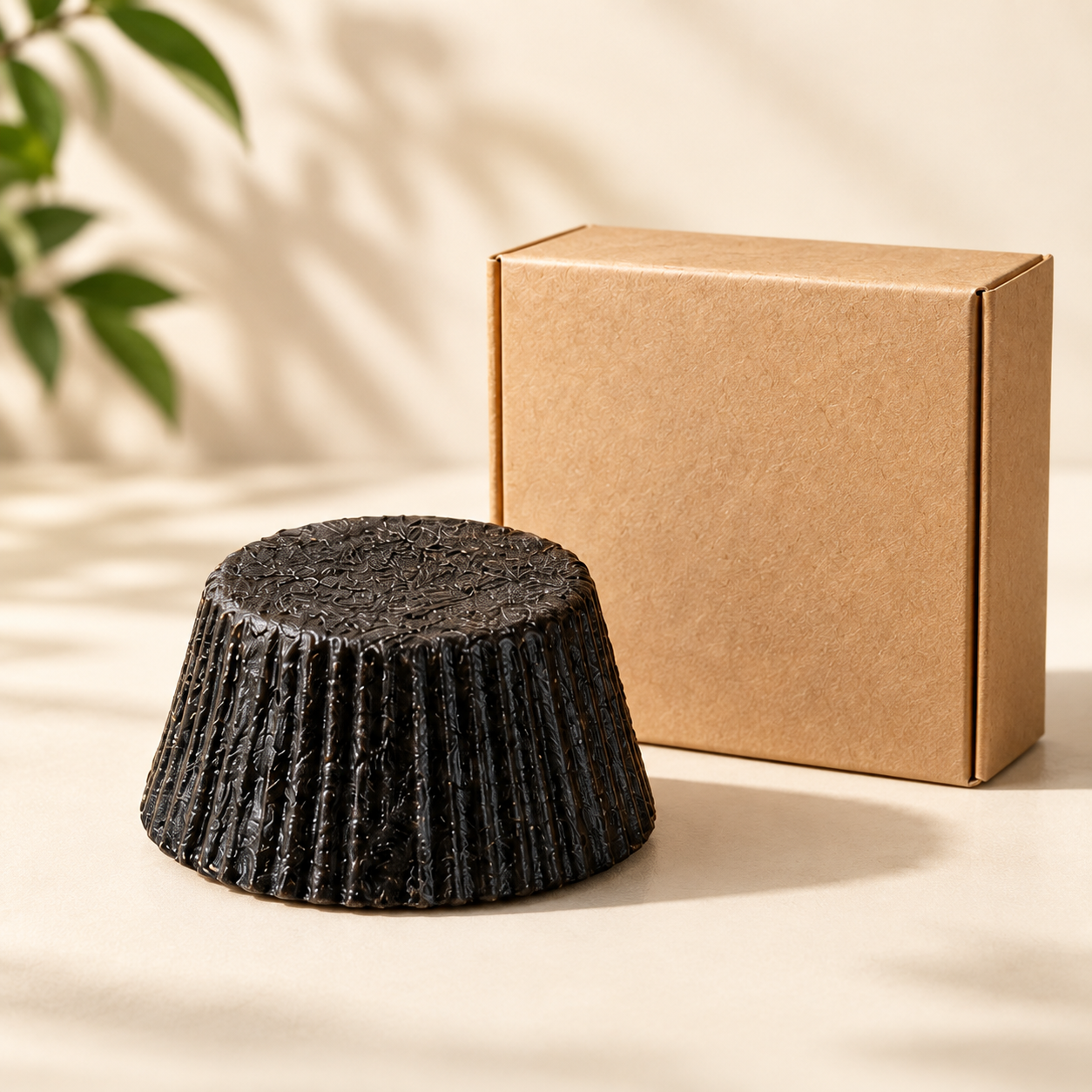
Images accompanying this article are AI-generated illustrations. Botanical styling does not identify a complete ingredient list or demonstrate product results.
ROOTED IN CHINESE HERBAL CARE
The Original Shampoo Bar
100 g per bar. Find your everyday ritual.
Explore the bar ↗